Wanhua Stainless Steel(Shanghai)Co.,Ltd.
Open all menu

01ABOUT COMPANY

Profile
Culture
More
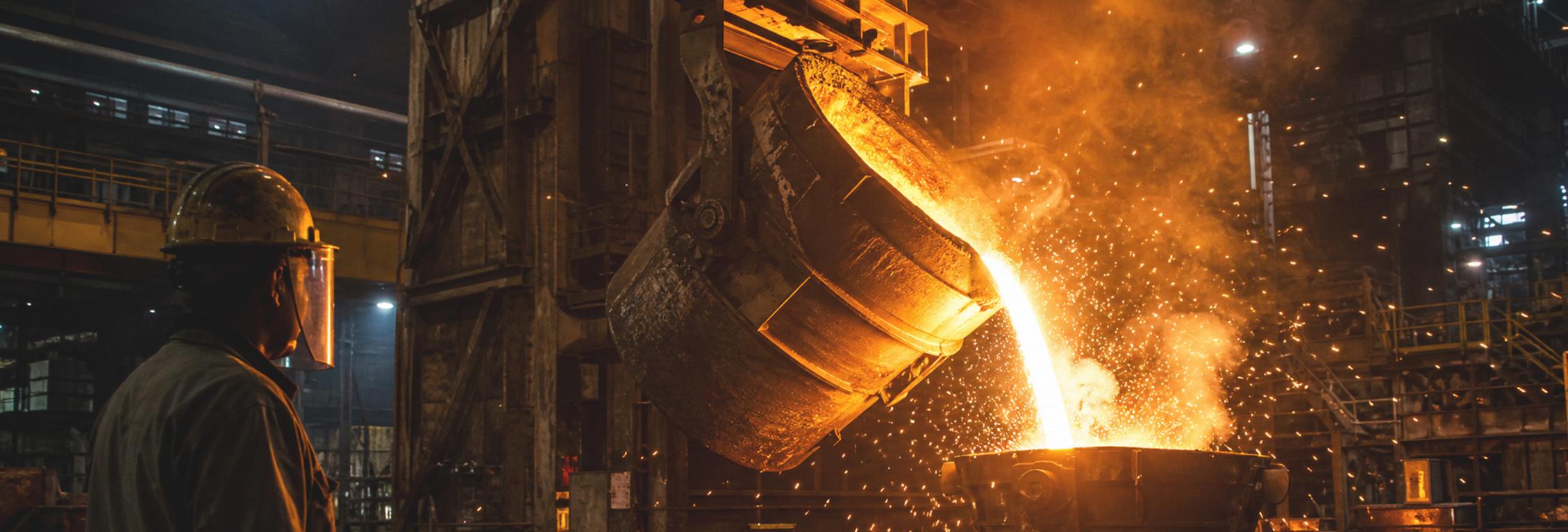
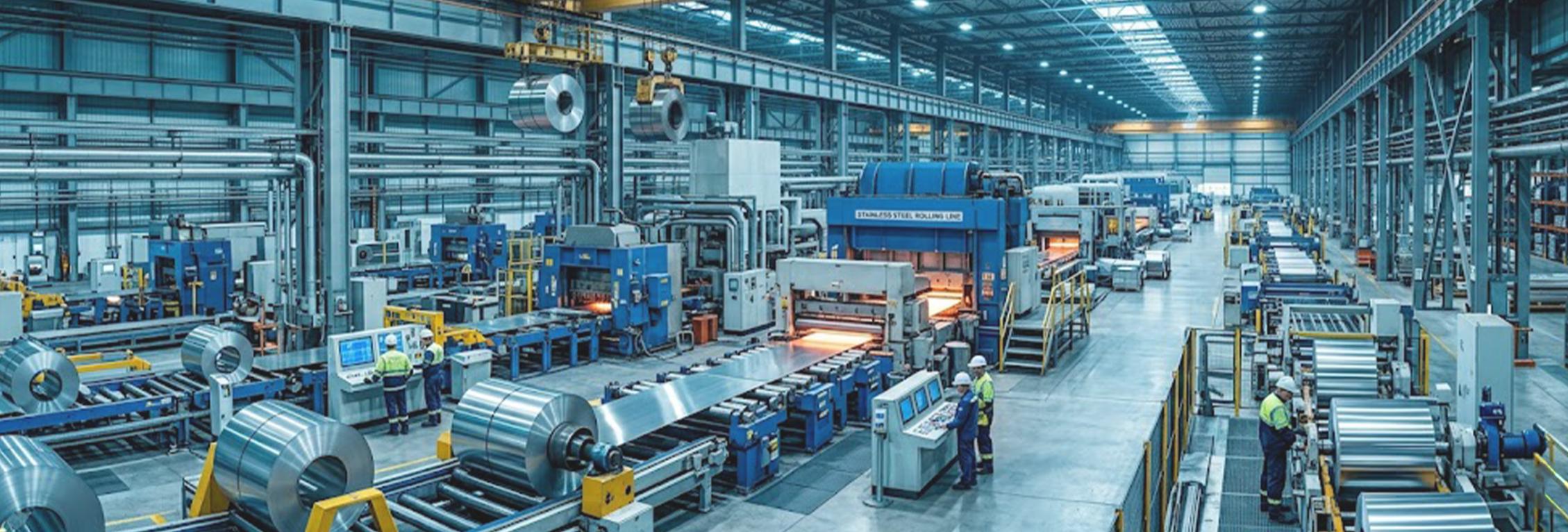
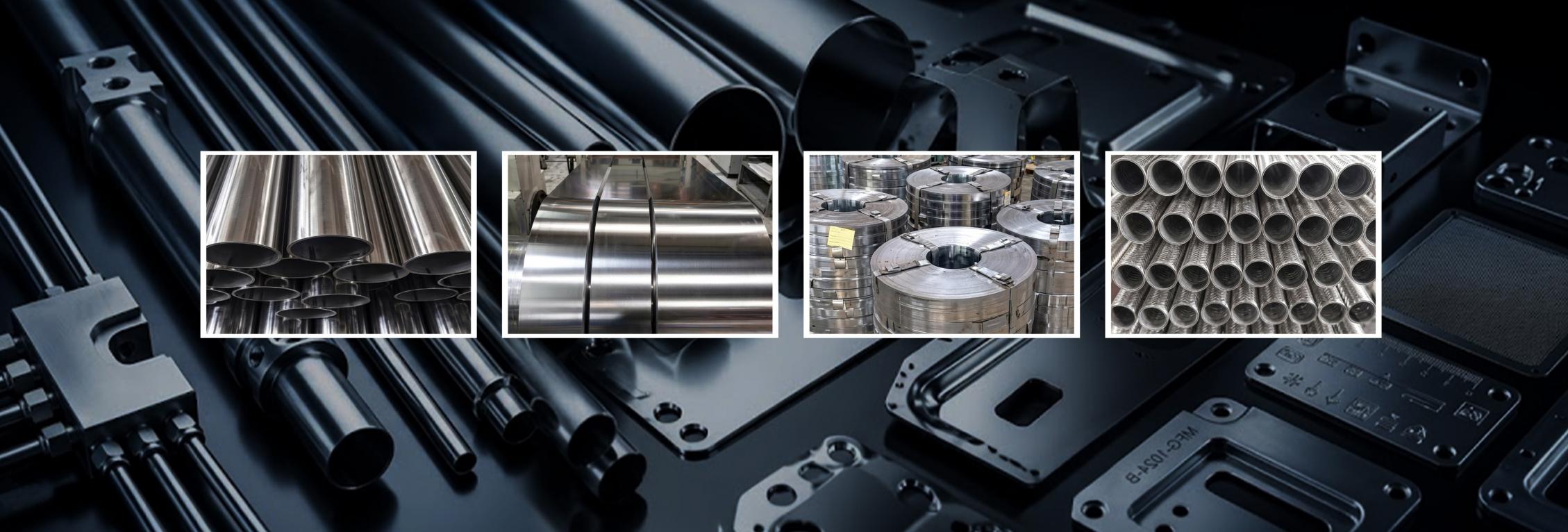
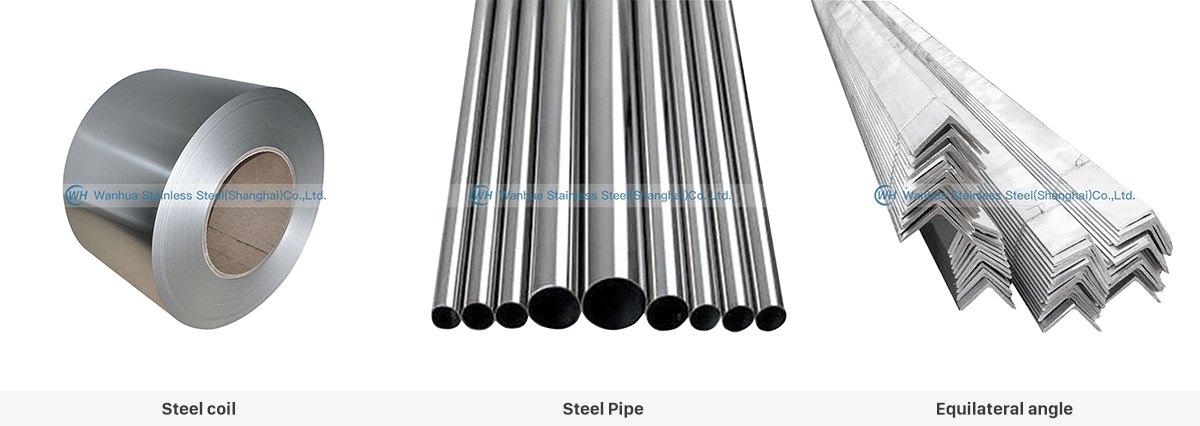
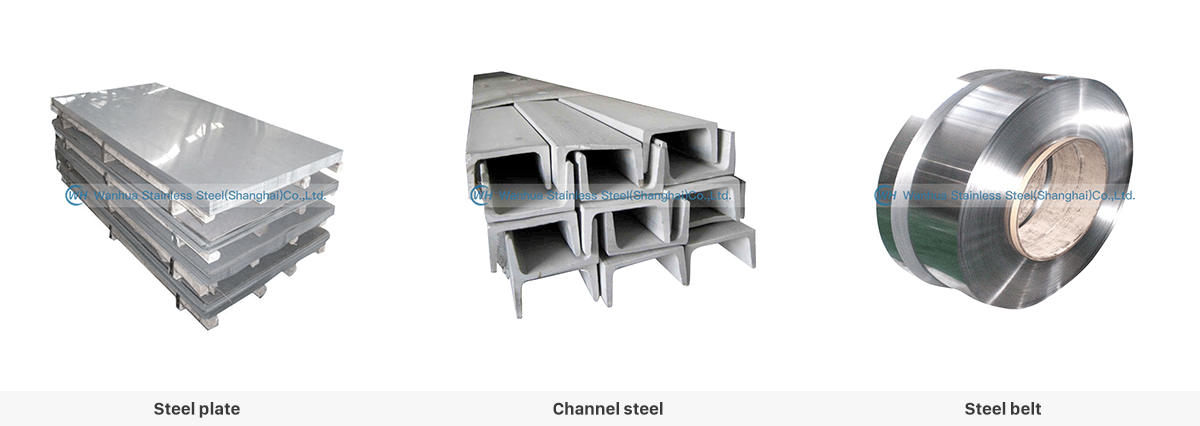
A top steel supplier in China 2026, Wanhua Stainless Steel (Shanghai)Co.,Ltd. Has all of the steel products for you. We have a high-quality product range in a variety of materials , which are all produced in our local factories. We provide everything from blanks to the finished products and we're with out customers the whole way. Old or new, local or international, we work to the principle "quality first, customers first". We sincerely hope to co-operate closely with you to develop a longstanding relationship with credibility and quality service.

02PRODUCTS DISPLAY

More

03ENGINEEREING CASE

CAT
Stainless steel has a variety of uses in the automotive field

In recent years, the automotive industry has developed a higher demand for high quality materials that remain light in weight. This is to reduce energy consumption as much as possible to achieve higher transport capacity, lower costs of operations and greener fuel consumption.
Stainless steel is frequently sought out for its ability to remain light in weight even after impact and to maintain its strength for longer compared to the more common carbon steel vehicles. We have followed this growing global trend with great success and expanded into this large market filled with potential.

bmw-918408_960_720.jpg

The following materials are commonly used steel in the automotive field
组1.png

Stainless steel not only has corrosion resistance, but also has good physical properties and surface quality. It is widely used in automobile manufacturing. At present, the main application parts are the following categories.

1. Stainless steel for exhaust system: Most of them are ferritic stainless steels, which are the most widely used components of automotive stainless steel. 409L, 436L, etc. are commonly used stainless steel grades. From the point of view of economy and practicability, 0Cr11Ti ferritic stainless steel is often used in the exhaust system of some European and American countries. Japan basically uses 13Cr~17Cr ferritic stainless steel and its improvement.
2. Stainless steel for automobile fuel tank: In addition to the danger of fuel leakage, the fuel tank made of stainless steel has excellent corrosion resistance and good forming performance, and can save or simplify the coating process and is easy to recycle. 304L, JFE-SX1, etc. are commonly used stainless steel grades.

3. Stainless steel for automobile frame: The combination of the design of the combined automobile frame and the excellent performance of the stainless steel material can make the manufactured automobile have good impact resistance, light weight, high safety and reliability and long life. In addition, such The frame can also be fully recycled. 409L, 3Cr12, 304L, etc. are commonly used stainless steel grades.
4. Automotive stainless steel parts: There are mainly stainless steel sealing rings and heat exchangers. The sealing rings are generally made of 301 stainless steel. The heat exchangers generally use stainless steel materials such as SUS304, SUS430 and SUS409L; Cr-Ni austenitic is also used on some parts Body stainless steel; 0Cr17, 0Cr18Ni9 are used for oil cooler plate heat exchanger; 0Cr17 is generally used for headlight retainer, large passenger car handrail, safety railing, etc.

5. Stainless steel for car decoration: stainless steel inserts, antennas, wheel covers, etc. are used on small cars, and stainless steel is also used on handrails, safety rails, and booms of large passenger cars and vehicles. In order to reduce costs, rearview mirrors mainly use SUS430J1L series stainless steel; car wipers mostly use SUS430, SUS304, SUS301, etc. Stainless steel is also frequently used in safety devices on automobiles. For example, the seat belt tensioner uses SUS301 stainless steel, the airbag sensor and booster pump mainly use SUS304 and SUS304L stainless steel, and the ABS induction ring uses SUS434, SUS444 and other steel types.
6. Automobile frame or overall automobile shell: An automobile frame or integral automobile shell made of stainless steel containing 11%-12% Cr, commonly used brands are 00Cr11Ti, 0Cr11Ni4Ti, 00Cr12NiTi, etc. Some countries have used stainless steel in large buses, coal transport vehicles, urban subway vehicles, etc.

The automotive industry is currently the fastest growing stainless steel application field. Stainless steel is also widely used in public transportation vehicles such as buses, subways, and high-speed rail vehicles. The market's demand for high-end vehicles has greatly increased. Considering the costs of manufacturing, maintenance and energy consumption, stainless steel cars are much lower than aluminum alloy cars and carbon steel cars, so stainless steel cars are the most economical vehicles and have great development. Prospects make the use of stainless steel in the automotive industry a worldwide expansion trend and have a large potential market.
In 2017, a company in the automotive industry in Switzerland, sales of stainless steel cold plates for automotive exhaust systems, duplex stainless steel, high carbon martensite, ultra-pure ferrite, 316L, and weathering steel increased significantly year-on-year, and the market The occupancy rate has further increased and the benefit contribution has been outstanding.

Building material
Stainless steel is widely used as a building material

Building materials have, for a long time, only used stainless steel for limited applications. After time, many of the standard building materials were found to have weakness to corrosion and loss of shape or structural strength. As a solution, building architects sought out stainless steel as a replacement as more was known about its strength and durability, leading to its frequent use in modern structures today.

20200304161514741283.png

The following materials are commonly used steel in the construction field

组1_45.png

Although stainless steel is now often associated with modern design, stainless steel has played an important historic role in the development and evolution of metals used in building exterior walls. Starting from the Empire State Building in New York, to many well-known buildings today, stainless steel is still a popular exterior wall cladding material, because stainless steel has long durability, good rust and corrosion resistance, anti-collision and fire protection, easy to maintain, green and sustainable, There are also colorful and stunning surfaces, patterns and colors to choose from.
In 2016, in the United Arab Emirates, a company used a lot of carbon steel plates, pipes and other materials for urban construction. The outer wall cladding material loved by people of all ethnic groups in the world, because stainless steel has a long life, good rust and corrosion resistance, anti-collision, fire protection, easy maintenance, green environmental protection, sustainable, and a variety of colorful and amazing Choice of surface, pattern and color.

Communal facilities
this is Communal facilities Communal facilities Communal facilities

Due to its durable, hygienic and corrosion resistant properties, stainless steel is the go-to material in this field. For practical applications, it can be used for thinner pressure gauges without sacrificing strength-to-weight ratio, but can also be found in other recreational applications such as sculptures, benches and public access facilities. Its low maintenance and long life cycle make it an attractive option for urban planners and anyone looking for cost-effective material solutions.

20200304163712205055.png

The following materials are commonly used steel in the field of public space

组1_65.png

Modern public buildings are increasingly demanding architectural design. People are often more interested in buildings that are attractive and open space, and with the wave of green buildings and environmental protection and energy conservation, government departments are demanding more sustainable construction Develop buildings that meet the minimum material renewal needs and can reach a service life of 50 or even 100 years. Therefore, the corrosion resistance, scratch resistance, impact resistance, maintenance requirements, service life, recyclability of materials, and energy and water consumption of building materials are the key points for building material selection. In addition, public safety issues such as fire and wind resistance, seismic performance, and the long-term integrity of railings and barriers are becoming increasingly important. Among the many building materials, stainless steel materials have been unanimously praised for their good characteristics, which is particularly prominent in buildings with a service life of 30 years or more.
In 2019, dual-phase steel pipes, fittings, flanges and other products were used in a water source project in Malaysia. Unlike other metal or non-metallic materials that are only used in specific ranges, stainless steel can be used in all aspects of drinking water systems. The water is collected and transported to the terminal.

Chemical Industry
chemical industry chemical industry chemical industry chemical industrychemical

As more countries across the globe continue to grow and advance to being considered developed nations, an important indicator to measure their overall national strength and economic stability is their steel production capacity. Since the advent of stainless steel and the discovery of its corrosive-resistant properties, it has become one of the largest steel types to be exported and imported to be used in chemical applications, research or transport.

20200304170342255003.png

The following materials are commonly used steel products in the chemical industry

组1_88.png

The use of stainless steel in petrochemical and other process industries can be roughly divided into three areas: corrosion resistance (including cleanliness); heat resistance; high strength.
(1) Corrosion resistance: Corrosion resistance includes cleanliness and beauty, and is the most important requirement for users to adopt stainless steel.
(2) Heat resistance: The application of stainless steel has raised the upper limit of temperature in the petrochemical industry from 600°C in pearlite chromium-molybdenum steel to about 1000°C. The traditional 304H, 316H, 317H, 309, 310 austenitic stainless steel has been widely used abroad. The production of stainless steel for furnaces, such as HK40.HP40. centrifugal casting tubes, has also made considerable progress in China.
(3) High strength: The strength of traditional 300 series stainless steel is not high, especially the yield strength is low. Therefore, stainless steel has long been included in the "low-strength steel" ranks, in order to reduce costs, so increasing the strength grade of stainless steel will bring corresponding economic benefits.
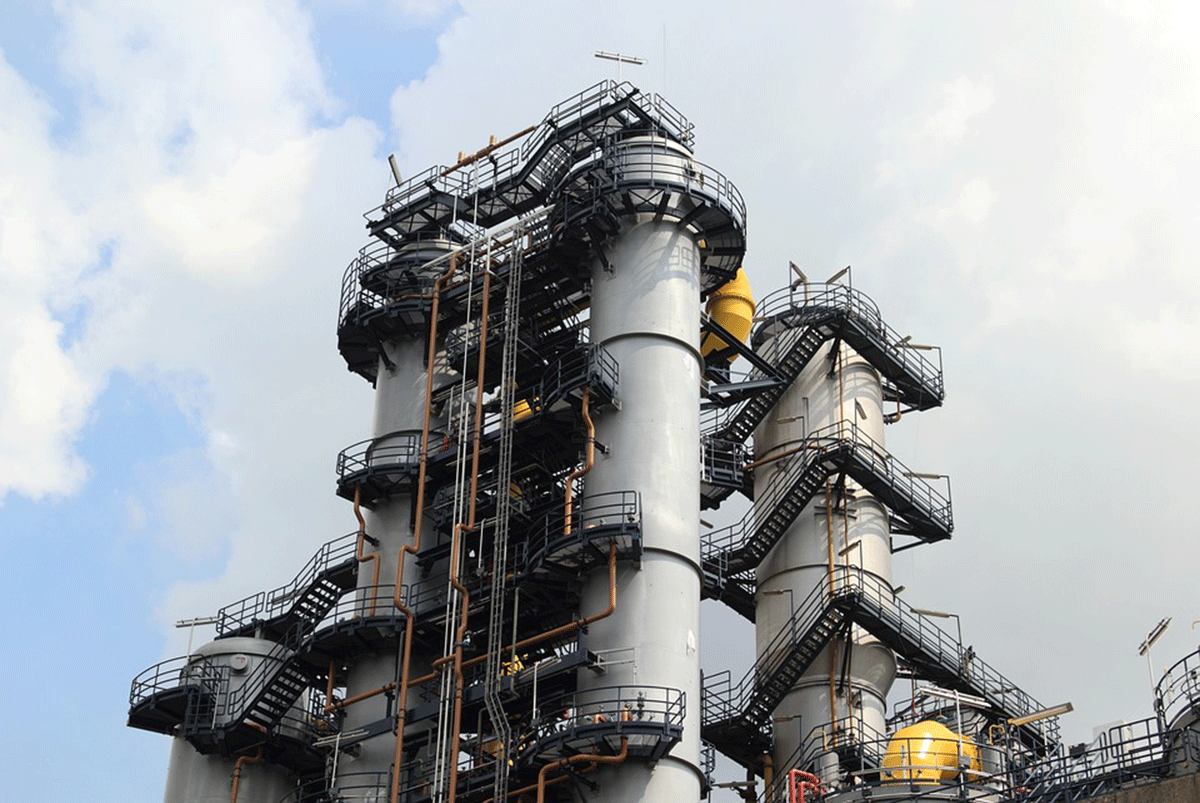
In 2010, API 5L X60 line pipe and other materials were used in the refined ethylene project of a company in China. In the case of corrosion resistance (including cleanliness); heat resistance; high strength; low temperature, etc., our products have been widely recognized by customers.

Oil
The special features and advantages of stainless steel are particularly importan

As the collective family of stainless-steel varieties grows, their potential uses are expanding alongside it. It's exceptional resistance to corrosion has given it the edge in the growing chemical and petrochemical industries, which is especially important given the industries extremely high spec requirements and equally high demand.
In recent years, the emergence of advanced alloys like "super austenite", "super ferrite" and "dual phase steel" have given stainless steel a lot to compete with to keep its top spot in this industry, but the longevity of these newer materials is still being researched today.

20200304173334771015.png

The following materials are commonly used steel materials in the oil field

组1_20.png

The use of stainless steel in petrochemical and other process industries can be roughly divided into three areas: corrosion resistance (including cleanliness); heat resistance; high strength.
(1) Corrosion resistance: Corrosion resistance includes cleanliness and beauty, and is the most important requirement for users to adopt stainless steel.
(2) Heat resistance: The application of stainless steel has raised the upper limit of temperature in the petrochemical industry from 600°C in pearlite chromium-molybdenum steel to about 1000°C. The traditional 304H, 316H, 317H, 309, 310 austenitic stainless steel has been widely used abroad. The production of stainless steel for furnaces, such as HK40.HP40. centrifugal casting tubes, has also made considerable progress in China.
(3) High strength: The strength of traditional 300 series stainless steel is not high, especially the yield strength is low. Therefore, stainless steel has long been included in the "low-strength steel" ranks, in order to reduce costs, so increasing the strength grade of stainless steel will bring corresponding economic benefits.
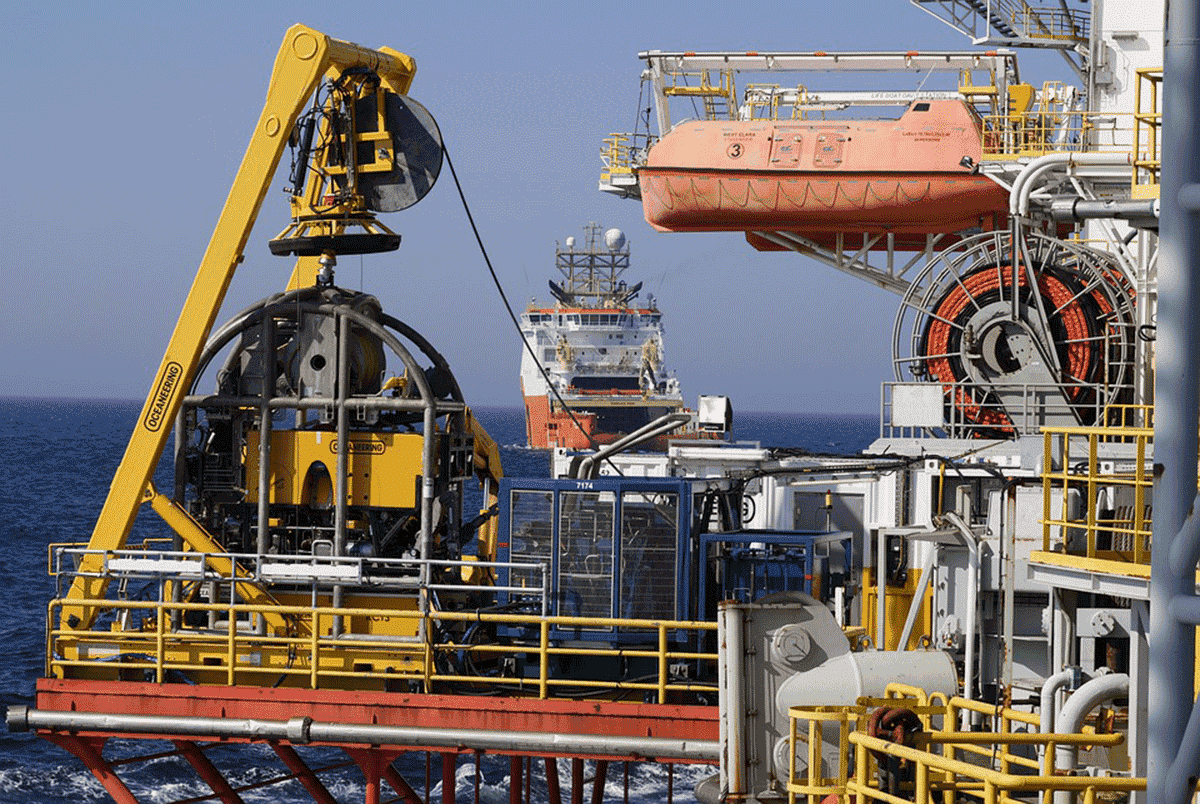
In 2018, dual-phase steel fittings, flanges, carbon steel pipes and other products were used in the Shell oil project in Nigeria, which has reached the export and international standards of steel pipes.

  • 01
  • 02
  • 03
  • 04
  • 05